
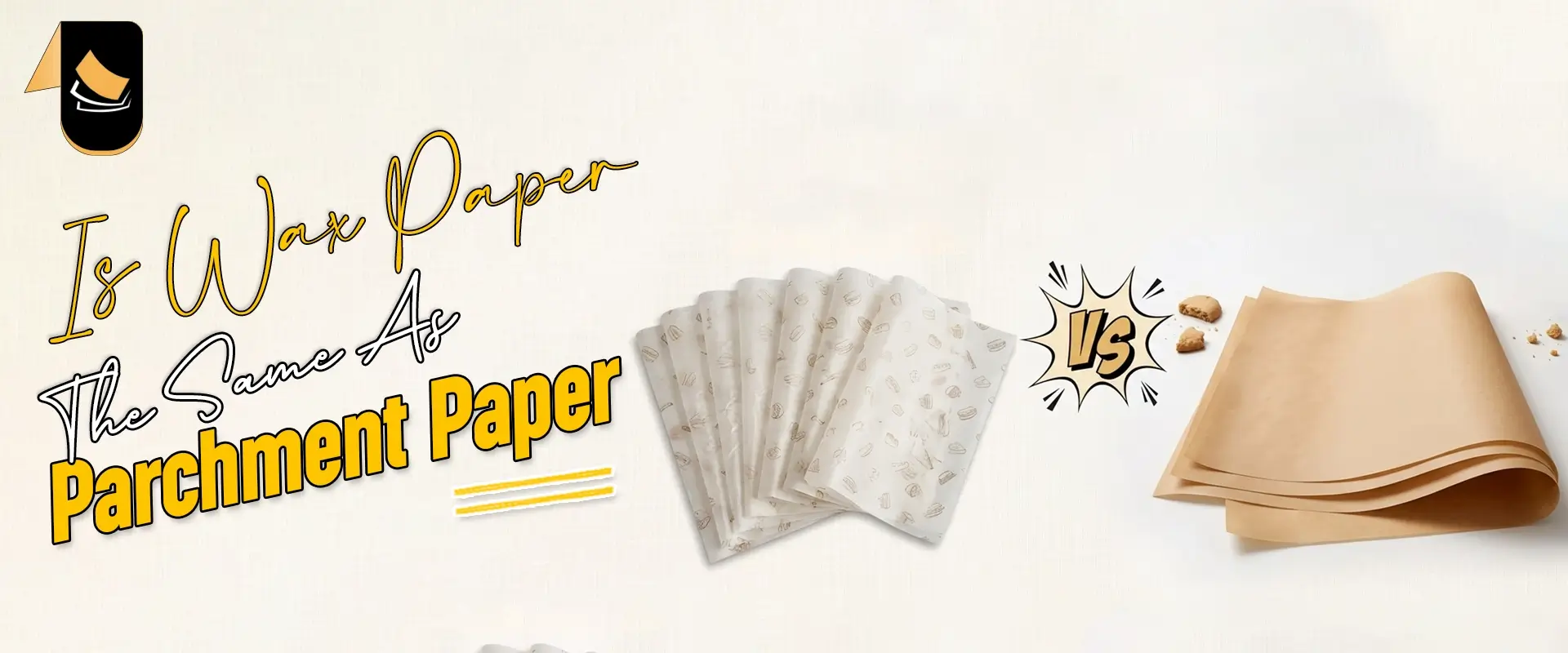
Is Wax Paper The Same As Parchment Paper
The people who are associated with food either through cooking or business must be familiar with two terms, wax paper and parchment paper. There is a chance that some of the characteristics of these two papers overlap but they are actually very different from each other. They have different uses and come in handy in varying scenarios. Keep on reading this blog to learn about the factors that distinguish the two types.
What Is Parchment Paper?
Custom parchment paper is a cellulose paper that is coated with silicone. This gives it non-stick properties which makes it a unique but practical option. It can be used safely in the oven because of its high heat resistance. The manufacturing process of parchment comprises the following steps:
- The high-quality wood pulp is mixed with water and pressed into a pure paper base.
- This paper passes through a sulfuric acid bath.
- The acid melts the fibers into a dense and water-resistant gel in a process called gelation.
- Remove all the chemicals from the sheet by rinsing it
- Both sides of the paper are then coated with silicone for heat resistance.
What Is Wax Paper?
Custom wax paper is a thin paper like a tissue that is coated on both sides. Paraffin and soy wax are common coating options that are applied to the paper to make it resistant to moisture as well as grease. This paper is mainly used for processes that are carried out at room temperature. It is manufactured through the following steps:
- The wood pulp is pressed into a thin tissue paper base.
- Heavy rollers are used to smooth the paper during calendering.
- The wax is heated into a liquid and then applied to both sides of the paper with rollers at high speed.
- A cold air blast instantly solidifies the wax into a gloss-like finish.
Brief Comparison Of Parchment Paper vs Wax Paper
It is possible that a layman might not know the exact difference in the use of parchment and wax paper. But actually, these terms cannot be used synonymously by any stretch of imagination. You can catch a glimpse of how both types of papers are different from each other in the following tables:
| Feature | Parchment Paper | Wax Paper |
|---|---|---|
| Primary Coating | Food-grade silicone resin coating. | Food-grade paraffin wax or soybean-based wax coating. |
| Heat Tolerance | Withstands temperatures of approximately 425°F–450°F (218°C–232°C). | Not heat-resistant; the wax coating typically melts at around 120°F–150°F (49°C–66°C). |
| Oven & Air Fryer Safe | Yes, when used within the manufacturer’s recommended temperature limits. | No. Heating can melt the wax coating, causing smoke and potential fire hazards. |
| Microwave Safe | Yes, suitable for microwave reheating and covering food. | Yes, for short microwave use such as covering food to reduce splatter. |
| Non-Stick Capability | Excellent non-stick surface that easily releases baked and sticky foods. | Moderate non-stick performance; sugary or sticky foods may still adhere. |
| Moisture Resistance | Highly resistant to moisture and maintains strength even when damp. | Provides an excellent moisture barrier for wrapping and storing food. |
| Environmental Impact | Often compostable and biodegradable when made from unbleached paper. | Generally not recyclable because of its wax coating and mixed material composition. |
Main Differences Between Parchment And Wax Paper
Food businesses must be aware of the characteristics that set wax and parchment paper apart from each other so that they might pick an option that is best suited to their needs. They have a similar look but have very different roles to play because of certain factors. These include:
Coatings
The defining difference between the two papers is the type of coating that is applied to the papers. Parchment paper is coated with a very thin layer of silicone that bonds to the cellulose fibres to create a durable surface. This makes it non-stick to ensure food does not adhere to the pan. Wax paper is made by applying food-safe wax on a thin tissue paper base but it cannot stop the food from sticking to the cooking pots.
Heat Safety
The coatings of parchment and wax paper react to high temperatures in completely opposite ways. Parchment paper is safe for oven use because it remains perfectly fine even at extremely high temperatures up to 450°F. It does not scratch or release any kind of toxic chemicals that can affect the quality of the food.
One cannot use wax paper at high heat because of its low melting point. It can even catch fire in direct heat from the oven. The wax can melt and liquify at a high temperature and then seep into the food. This can affect the overall quality of the food in terms of flavor as well as texture.
Moisture Resistance
Both papers can repel liquids but they operate in different ways to achieve this goal. Wax paper offers a much better barrier to moisture in humid surroundings and against freezer burns. The wax seals the porous base of the paper to regulate the moisture of both dry and damp food items.
Parchment paper is also water-resistant as it allows one to easily handle the steam from meat while cooking or the wet batter of baked items. It does not tear apart because of its dense structure. The moisture resistance abilities of these papers can also be complemented by applying some additional coatings.
Affordibility
The process of silicone application and chemical alteration of pulp fibres incurs a high cost at the industrial level. This is the reason parchment paper is a premium kitchen essential. Wax paper is comparatively a cheaper option because it is made from raw materials that are available at economical rates. Its coatings are also more easily available which makes it a popular choice for food wrapping.
Best Use Cases Of Parchment And Wax Paper
There is a reason why parchment paper and wax paper are categorized as two distinct options. Their different reaction to heat makes them suitable for diverse uses. Some of the common tasks taking place in the kitchen are mentioned below with the suggestion which paper should be used for them:
| The Task | What Happens with Parchment Paper | What Happens with Wax Paper | The Takeaway |
|---|---|---|---|
| Baking | Food releases easily from the non-stick surface, helping keep baking trays clean. | The wax coating can melt at oven temperatures, creating smoke and making it unsuitable for baking. | Use Parchment Paper |
| Roasting Vegetables | Withstands temperatures up to approximately 425°F and safely catches grease and oil. | The wax coating melts quickly and may scorch or smoke when exposed to high heat. | Use Parchment Paper |
| Freezing Patties | Keeps patties separated but allows slightly more air circulation during storage. | Provides an effective moisture barrier that helps reduce freezer burn. | Use Wax Paper |
| Wrapping Subs | May unfold slightly after wrapping and often requires tape or stickers to secure. | Holds folds firmly, making it ideal for wrapping sandwiches and deli items. | Use Wax Paper |
| Rolling Out Dough | Provides an excellent non-stick surface and can often be transferred directly to the oven. | Also prevents sticking and offers an economical option for countertop preparation. | Both Can Be Used |
| Packaging Caramels | The paper may spring open, making it less suitable for individually wrapping sticky candies. | Twists securely around caramels and stays closed, making handling easier. | Use Wax Paper |
Conclusion
The straight forward answer to the question that wax paper is the same as parchment paper is no. These are two types of food safe papers that differ on the basis of coating and heat resistance mainly. The rule of the thumb is parchment paper is used for products that require high heat whereas wax paper is a go-to option for food prep. Food brands have to deal with these two types on every basis. If you are one such brand, get the highest quality parchment paper and wax paper at wholesale rates from Custom Grease Paper. Contact us via call for further details!